From the bakeries of Genoa to modern brunch spots in New York City or Bucharest, focaccia remains one of the most versatile and beloved breads in the world.
At Olivia’s Trattoria, it is more than a flatbread served alongside dishes. It is an extension of our Mediterranean culinary philosophy: simple ingredients, authentic flavor, and respect for tradition.
what is focaccia, exactly?
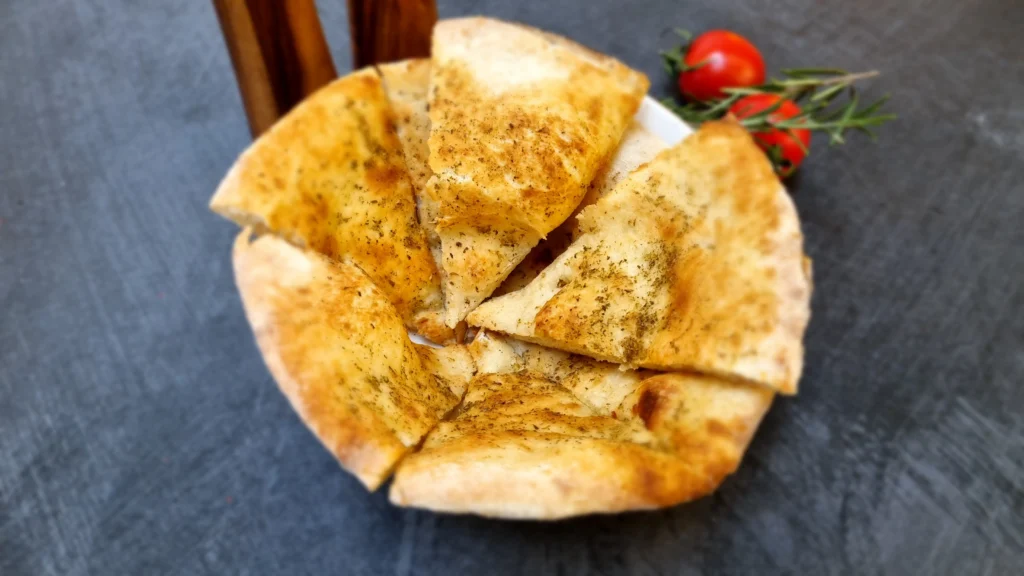
Focaccia is an Italian flatbread, lightly airy, with a soft and fluffy interior and a delicately crisp crust. It is usually topped with olive oil, coarse sea salt, and aromatic herbs. Most often flavored with Mediterranean herbs such as rosemary or oregano, it can also be adapted into countless variations.
It sits somewhere between bread and pizza — a true culinary canvas. In fact, focaccia is one of the oldest forms of bread still enjoyed today.
The Romans called it panis focacius, meaning bread baked on the hearth or over fire. It existed long before pizza and was even considered an early form of street food.
The name comes from the Latin word focus, meaning fire. Panis focacius literally meant bread baked in the hearth or open flame. The simplicity of the name perfectly reflects the recipe itself: few ingredients, natural technique, and honest flavor.
Different types around Italy
Although generally associated with Italy, focaccia does not have a single recipe. Each region has reinterpreted it in its own way.
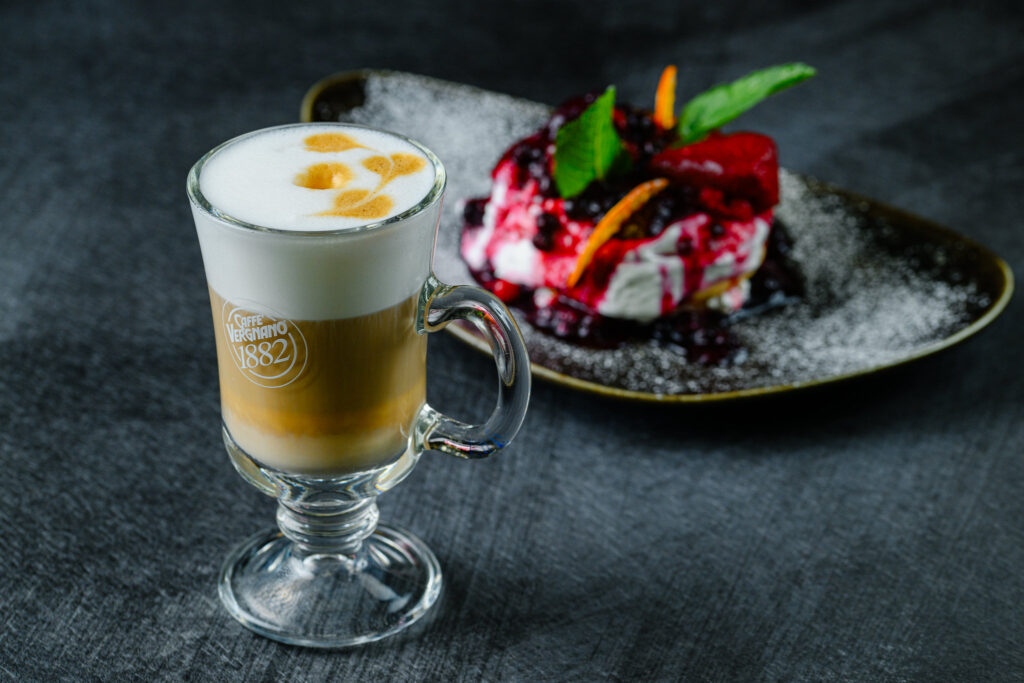
In Liguria, especially in Genoa, the gold standard is: thin, generously brushed with olive oil, and sprinkled with coarse salt. It is sometimes even enjoyed for breakfast with coffee.
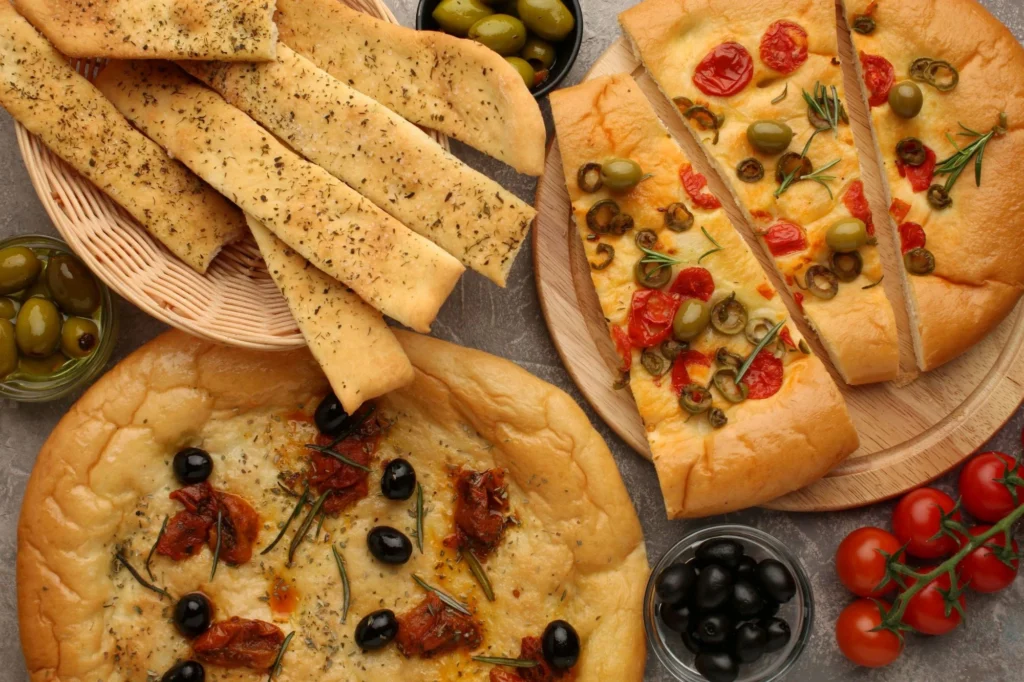
In Puglia, the version is thicker, juicier, and often topped with cherry tomatoes baked directly into the dough.
Tuscany prefers a simpler and lightly salted version, while Sicily offers sfincione, a thicker interpretation closer to pizza, topped with tomato sauce, onions, and sometimes anchovies
how focaccia became a global favorite
Focaccia’s popularity exploded thanks to its versatility. It is easy to adapt, visually appealing, and works equally well as a side dish, a main element, or the base for modern sandwiches.
In the United States, it became a staple in artisan bakeries. In France, it inspired the well-known fougasse. In the United Kingdom, it became part of modern brunch culture. In Romania, focaccia is increasingly present in contemporary restaurants and kitchens inspired by Mediterranean flavors.
Fun Facts
In Ancient Rome, focaccia was sometimes offered to the gods as an offering. In Genoa, some bakeries still keep recipes passed down through generations, and certain versions are considered almost sacred locally.
There is also focaccia dell’artista, where the dough is decorated artistically before baking, turning bread into edible art. In some parts of Italy, it is eaten for breakfast with cappuccino — a habit that still sparks debate.
In recent years, focaccia has gone viral on social media thanks to “focaccia bread art,” where the surface is decorated like a painting.
some of the most delicious variations
There are countless ways to enjoy focaccia. Focaccia al pomodoro features cherry tomatoes baked into the dough. Caramelized onion focaccia offers a sweet-savory balance that is especially popular in modern bakeries.
Cheese focaccia may include Parmesan, mozzarella, or gorgonzola. Herbal focaccia highlights rosemary, thyme, or basil. Sweet focaccia also exists, such as schiacciata con l’uva from Tuscany, made with grapes, honey, sugar, and sometimes nuts or raisins.
Modern brunch culture has even introduced “loaded focaccia,” topped with avocado, eggs, salmon, or hummus.
focaccia at Olivia's trattoria
t Olivia’s Trattoria, we preserve the classic version of focaccia because simplicity is its most authentic form. We serve it either in the traditional style with olive oil and salt, or with Parmesan for extra depth and richness.
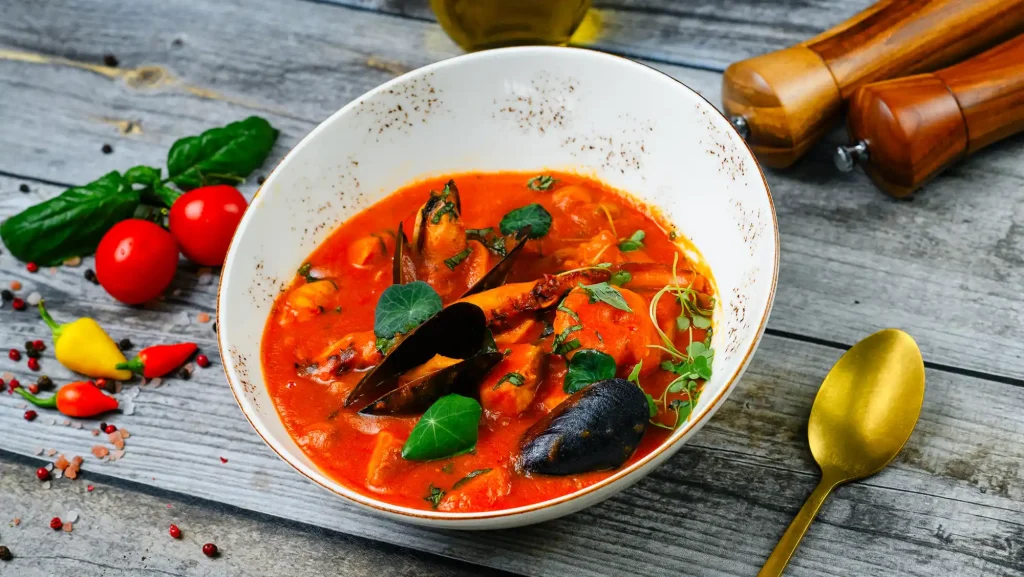
Our focaccia is designed to naturally complement dishes from the menu. It pairs beautifully with soups, fresh salads, pasta, or Mediterranean favorites such as hummus or roasted eggplant spread.
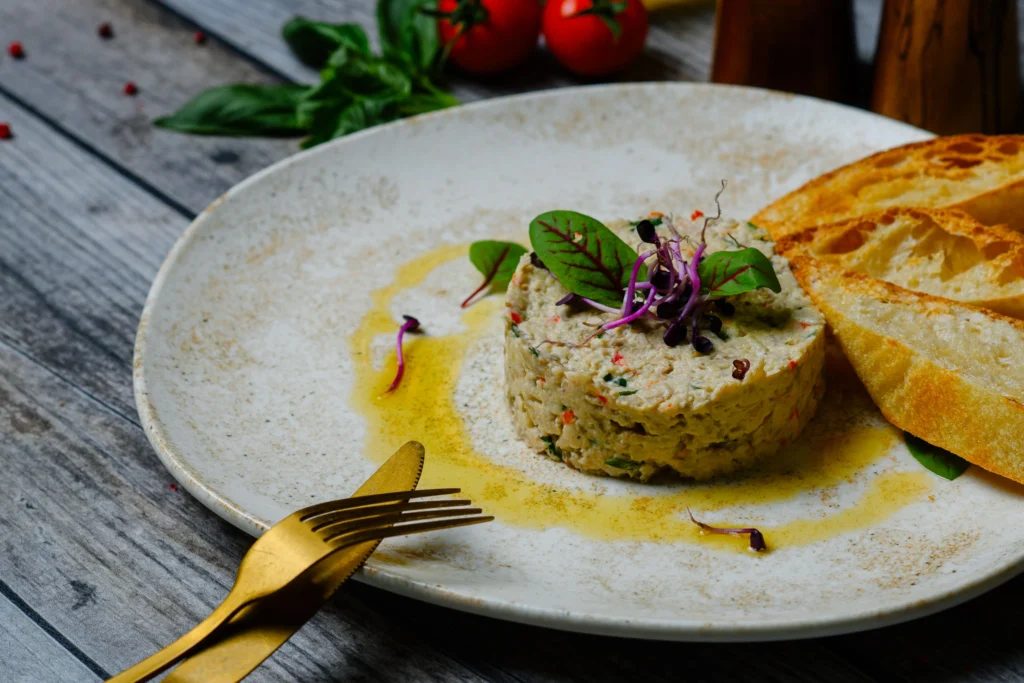
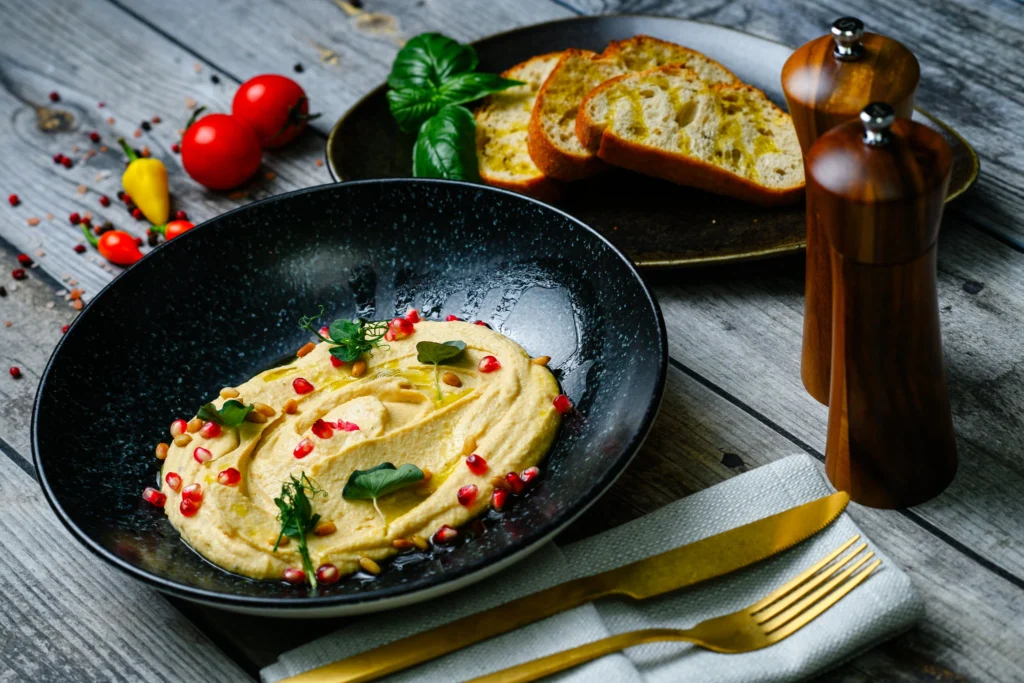
It is that simple element that ties everything together without overpowering the meal.
At the same time, focaccia remains faithful to its origins: a bread that can be enjoyed entirely on its own, just as the Romans once did, or as it is still enjoyed during Mediterranean summers alongside a cold drink and long terrace conversations.
conclusion
Focaccia does not need much to be understood — only good ingredients and a setting where simplicity is appreciated.
That is why, in a Mediterranean restaurant such as Olivia’s Trattoria, it feels right at home. It is the kind of dish that does not merely accompany a meal, but quietly completes it — just as authentic Mediterranean cuisine does at its very best.